
Why Hiring a Restaurant Consultant Is Cheaper Than Running BlindDecember 26, 2025
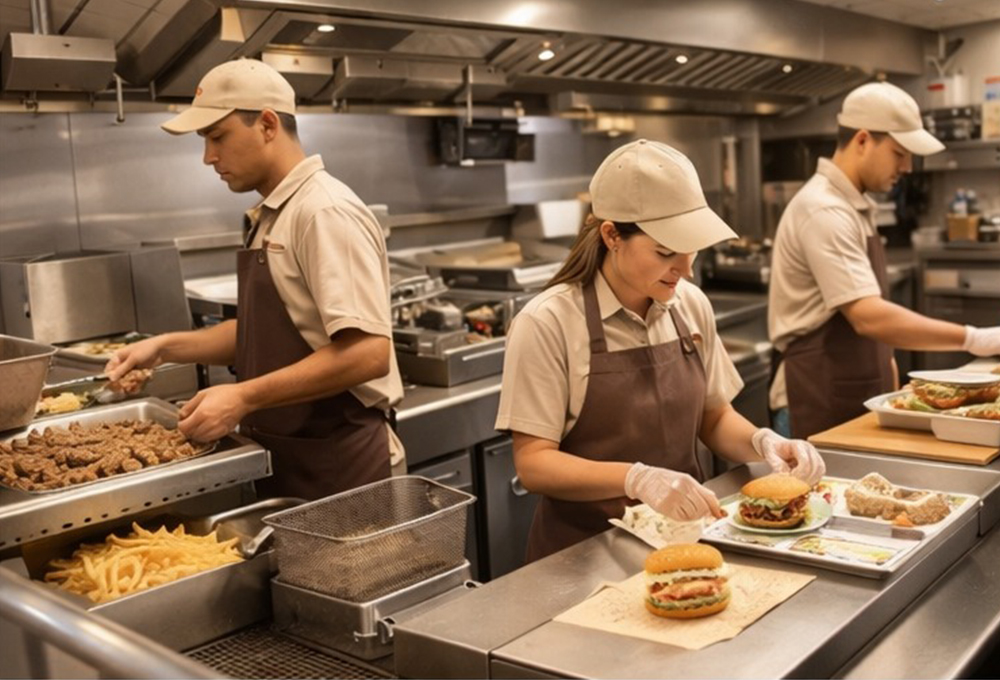
Many restaurant owners hesitate to hire a consultant because they see it as an added expense, but this hesitation often comes from not seeing the true cost of running a restaurant without expert guidance. Running blind does not always look like failure in the beginning; sales may be steady, customers may be coming in, and operations may appear manageable on the surface. However, beneath this activity lie silent losses that go unnoticed — poorly controlled food costs, inefficient staffing, wastage, weak pricing strategies, and operational gaps that slowly drain profitability. These losses rarely appear as one big mistake; instead, they accumulate quietly over months, making the business feel busy but financially unstable.
Without a clear strategy or experienced perspective, most restaurant decisions are made through trial and error. Owners rely on instinct, market assumptions, or advice from peers who may be facing similar challenges themselves. This approach often leads to costly decisions such as incorrect menu pricing, unnecessary expansions, over-investment in interiors, or delayed corrective actions. By the time the problem becomes visible in financial statements, the damage is already done. What feels like saving money by avoiding consultation often results in far greater losses through missed opportunities and prolonged inefficiencies.
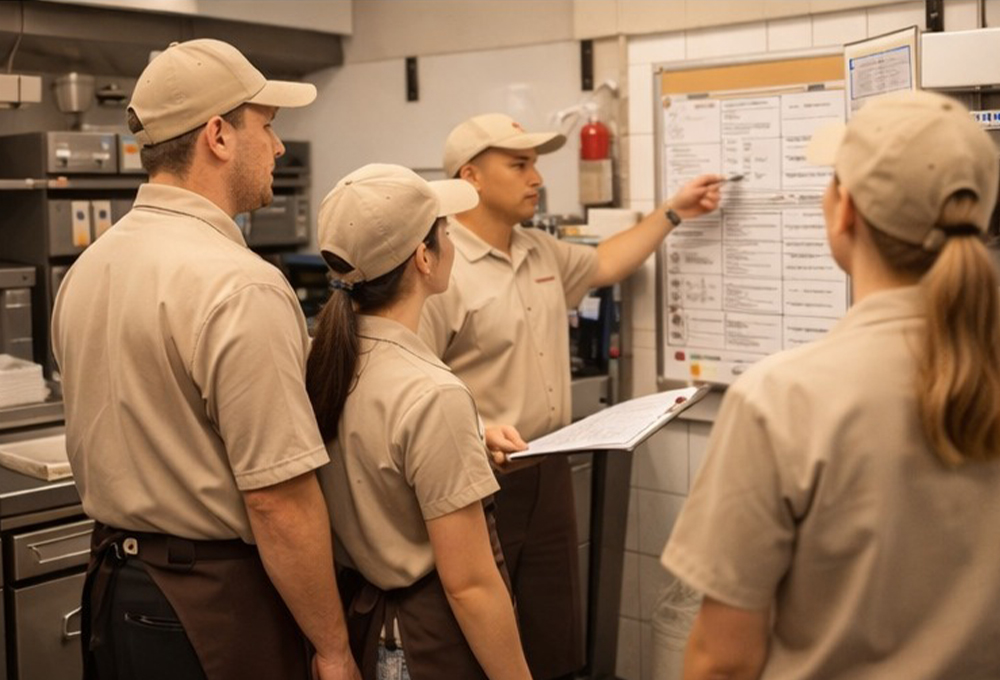
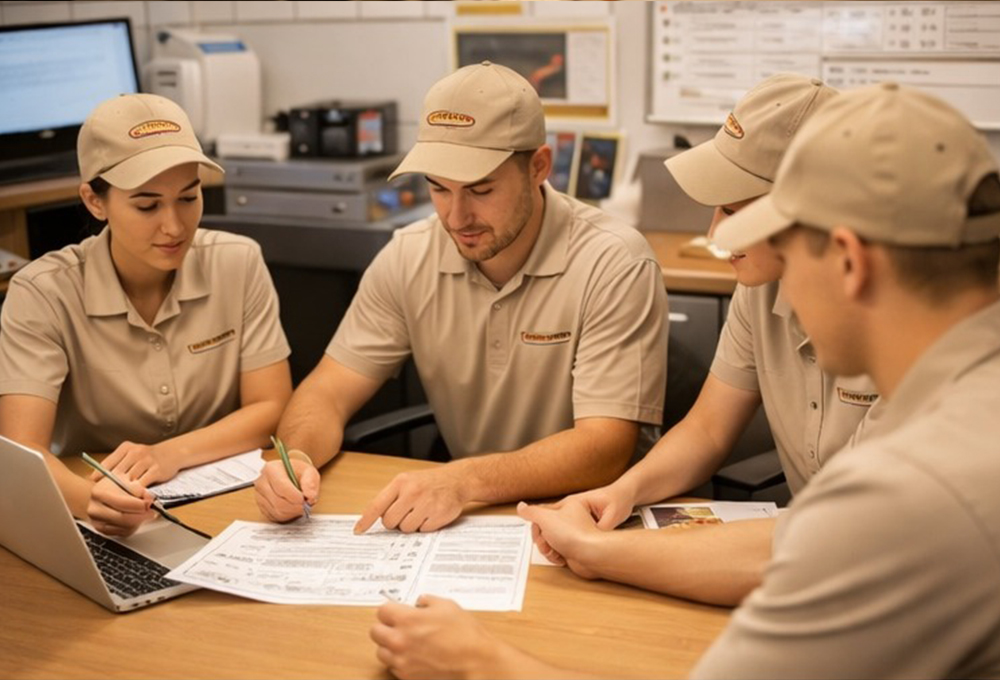
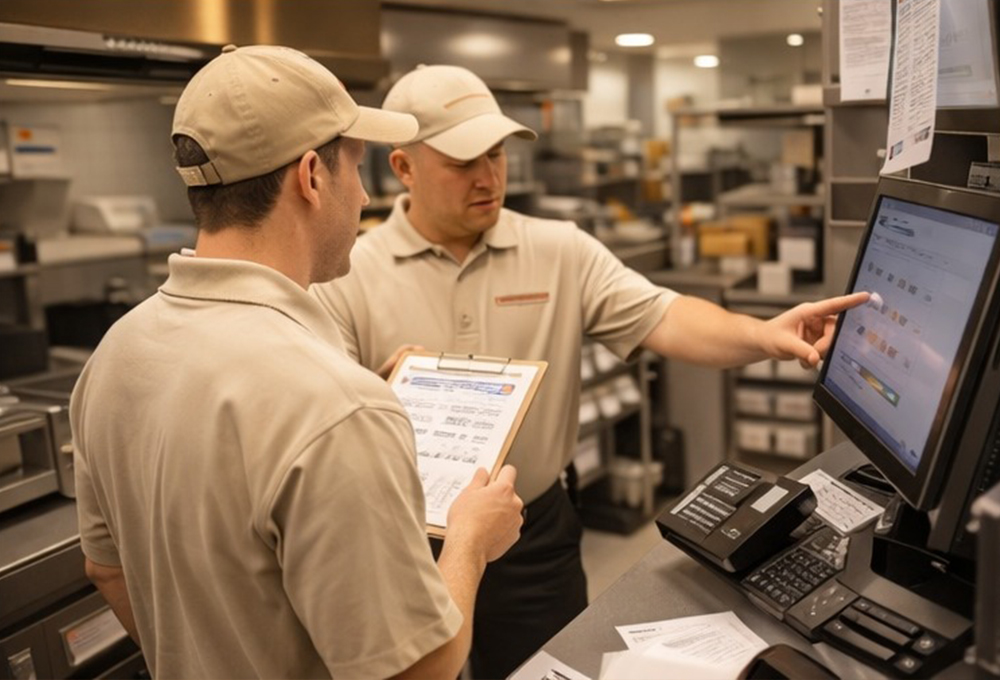
Hiring a restaurant consultant replaces uncertainty with clarity. Consultants bring an external, objective view that allows them to see problems owners are too close to notice. Through structured audits and data-driven analysis, they identify exactly where money is being lost and where performance can be improved. This includes optimizing food and labor costs, improving inventory control, strengthening systems, and aligning daily operations with long-term business goals. Rather than experimenting with solutions, restaurant owners gain access to proven frameworks and strategies refined through real-world experience.
The true value of a consultant lies not only in cost reduction but in risk prevention. Many restaurants fail not because they lack effort, but because they make avoidable mistakes at critical stages — expanding too early, scaling without systems, or ignoring financial warning signs. A consultant acts as a strategic guide, helping owners make informed decisions, prioritize the right actions, and avoid expensive missteps. Over time, the savings generated through improved efficiency, better pricing, and structured operations far exceed the initial investment in consultation.
In reality, hiring a restaurant consultant is not an expense; it is a safeguard. It is far cheaper to pay for clarity than to pay for confusion, far cheaper to invest in expertise than to recover from losses caused by guesswork. Restaurants that succeed long-term are not those that take the most risks, but those that reduce uncertainty through planning, systems, and informed decision-making. When compared honestly, the cost of expert consultation is minimal next to the ongoing cost of running a business without direction. Running blind may feel cheaper in the moment, but it is almost always the most expensive path in the long run.