
The Real Reason Restaurants Lose Money Even When They Are FullDecember 26, 2025
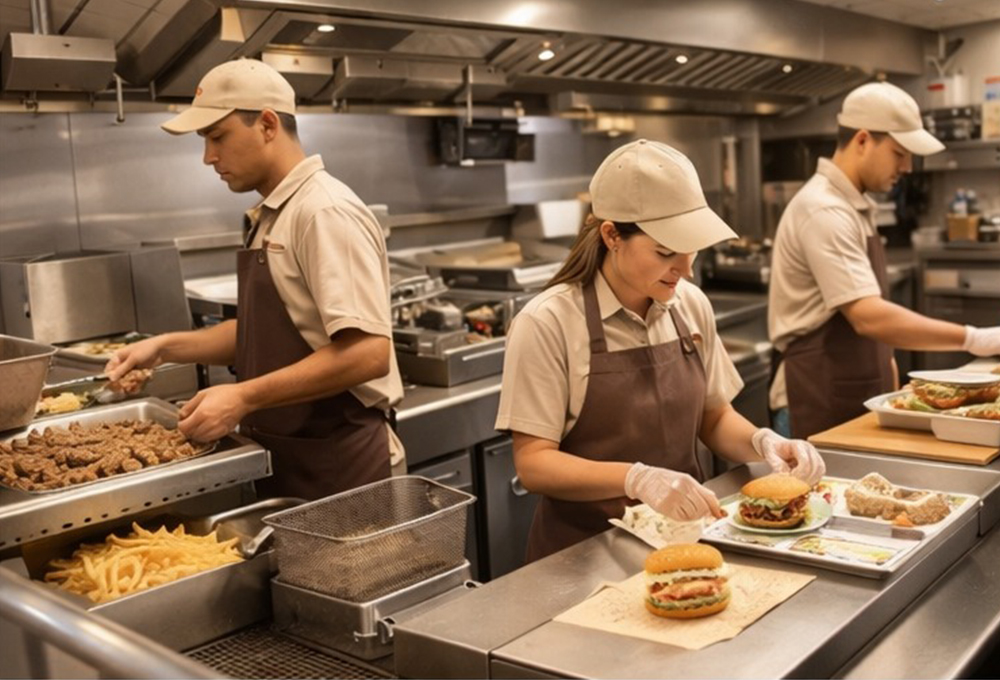
Many restaurant owners assume that full tables and steady footfall automatically mean healthy profits, but this is one of the most misleading beliefs in the hospitality industry. A restaurant can appear successful from the outside — busy dining rooms, long wait times, and strong daily sales — yet still struggle financially behind the scenes. The real reason lies in the difference between revenue and profitability. High sales often hide inefficiencies such as uncontrolled food costs, excessive wastage, poor portion control, and inefficient staffing. When these issues are left unchecked, the restaurant works harder every day while margins quietly shrink, creating the illusion of success without real financial stability.
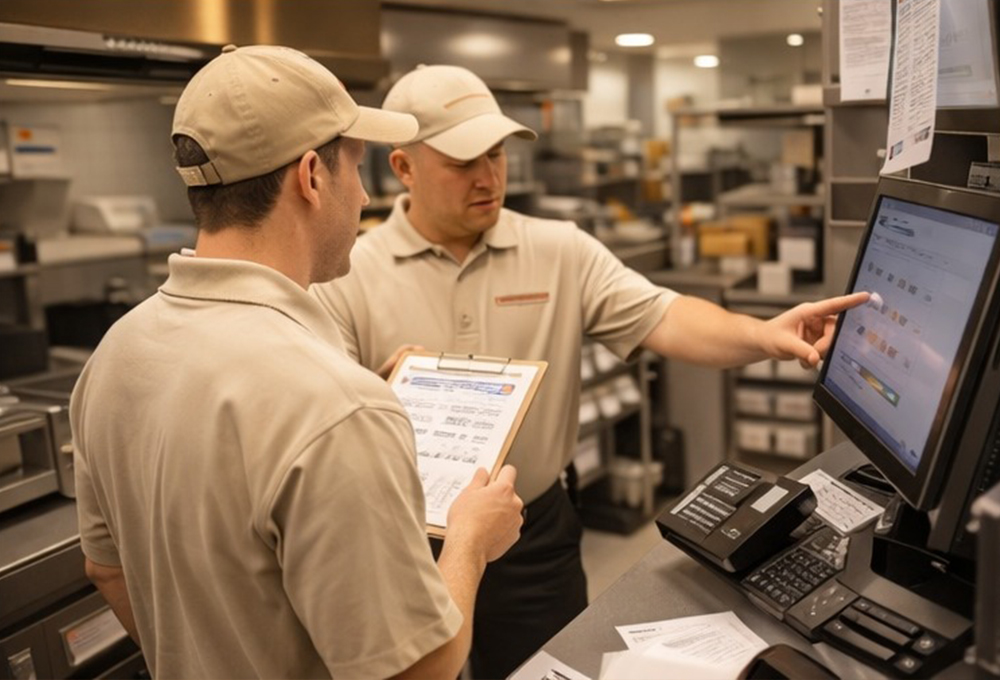
One of the most common causes of profit loss in busy restaurants is weak cost visibility. Many owners do not track food and labor costs at a granular level, relying instead on monthly summaries that reveal problems only after damage has already occurred. Inconsistent recipes, over-ordering, spoilage, and pilferage eat into profits on a daily basis. At the same time, staffing decisions are often driven by pressure rather than planning, leading to overstaffing during slow periods and inefficiency during peak hours. These operational gaps rarely attract attention because the restaurant feels active, but activity alone does not equal efficiency.
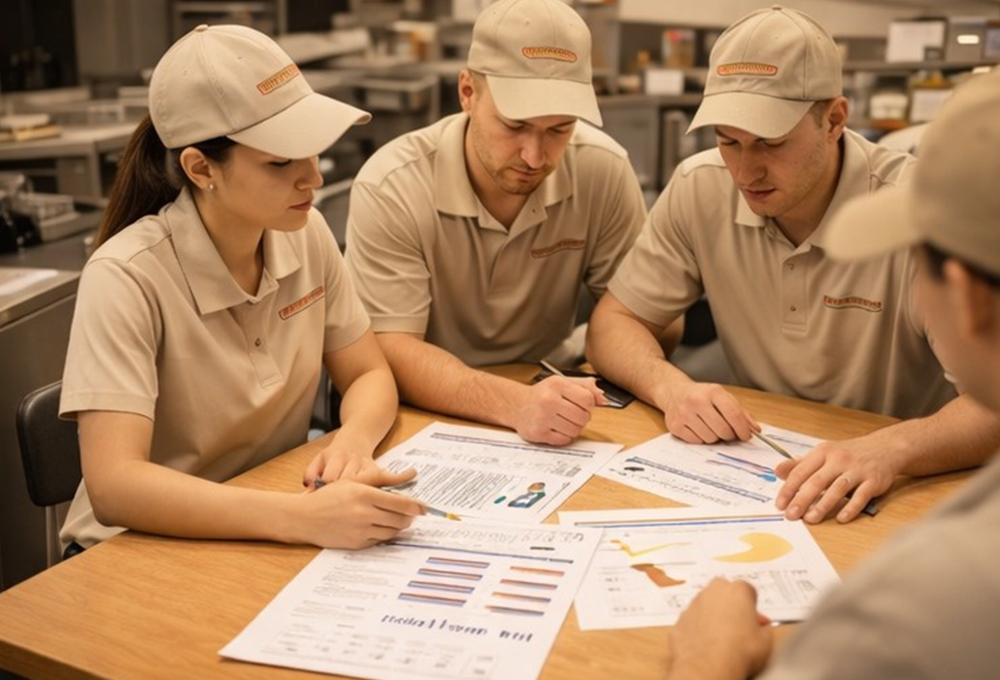
Menu-related decisions further intensify the problem. Popular dishes may generate high volume but contribute very little to profit due to poor pricing or high preparation costs. Without menu engineering, restaurants unintentionally push low-margin items while neglecting more profitable options. Discounts, offers, and delivery commissions can further erode margins when they are introduced without a clear profitability framework. As a result, even record-breaking sales days fail to translate into meaningful cash flow, leaving owners frustrated and confused.
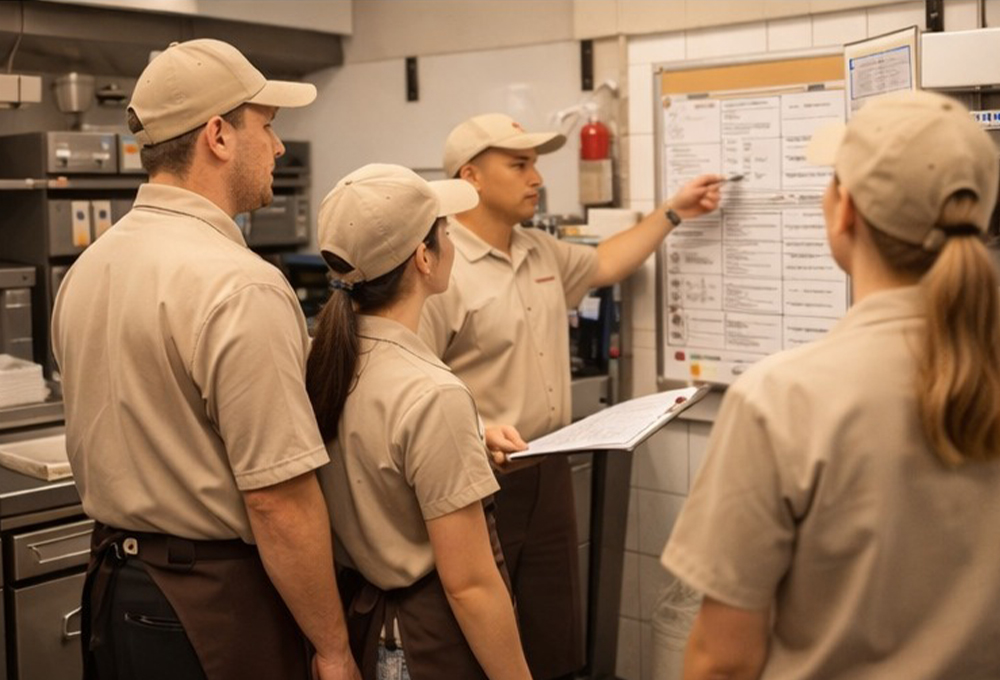
Expert restaurant consultation addresses these hidden issues by focusing on what truly drives profitability rather than surface-level performance. Consultants analyze cost structures, menu data, operational workflows, and staffing models to identify exactly where money is being lost. By improving systems, standardizing processes, and aligning pricing with real costs, restaurants can significantly increase profits without increasing footfall. The shift is not about attracting more customers, but about running the business smarter with the customers already coming in.
Ultimately, a full restaurant is not a guarantee of success; it is only an opportunity. Profit comes from discipline, systems, and informed decision-making. Restaurants that understand this distinction stop chasing volume and start building sustainable businesses. When the focus moves from being busy to being efficient, full tables finally translate into healthy margins, stable cash flow, and long-term growth rather than constant financial pressure.