
Why Most Restaurants Fail — And How Expert Consultation Changes EverythingDecember 26, 2025

Opening a restaurant is often seen as a dream built on passion, creativity, and the belief that great food will automatically lead to success, but the reality of the restaurant industry is far more complex. Most restaurants fail not because they lack quality or effort, but because they are started and operated without a strong business foundation. Owners pour their energy into recipes, interiors, and daily operations while critical elements such as financial planning, cost structures, pricing strategy, cash flow management, and long-term vision are either misunderstood or completely ignored. In the early stages, sales may look promising, but hidden inefficiencies slowly drain profitability through uncontrolled food costs, wastage, poor inventory tracking, inconsistent portioning, and unplanned staffing. Over time, these small leaks accumulate into serious losses, leaving owners confused about why a busy restaurant is still struggling to survive.
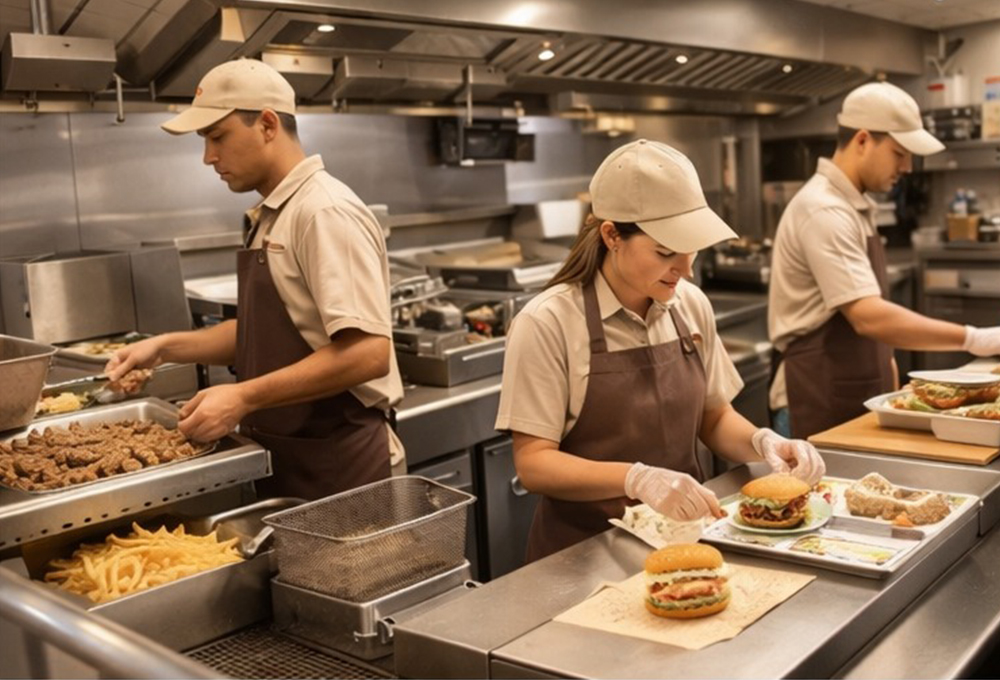
Another major reason restaurants fail is the absence of systems. Many establishments depend heavily on individual staff members rather than standardized processes, which creates instability the moment someone leaves or performance drops. Without clear operating procedures, quality fluctuates, service becomes inconsistent, and owners are forced to remain physically present every day just to keep things running. This constant firefighting leads to exhaustion, decision fatigue, and burnout, turning what was once a passion project into a source of stress. Compounding this problem is poor menu and pricing strategy. Restaurants frequently sell popular dishes that feel successful but deliver very low margins, while high-potential items remain unnoticed due to weak menu engineering and lack of pricing psychology. As a result, revenue increases but profits do not, creating the illusion of growth without actual financial stability.
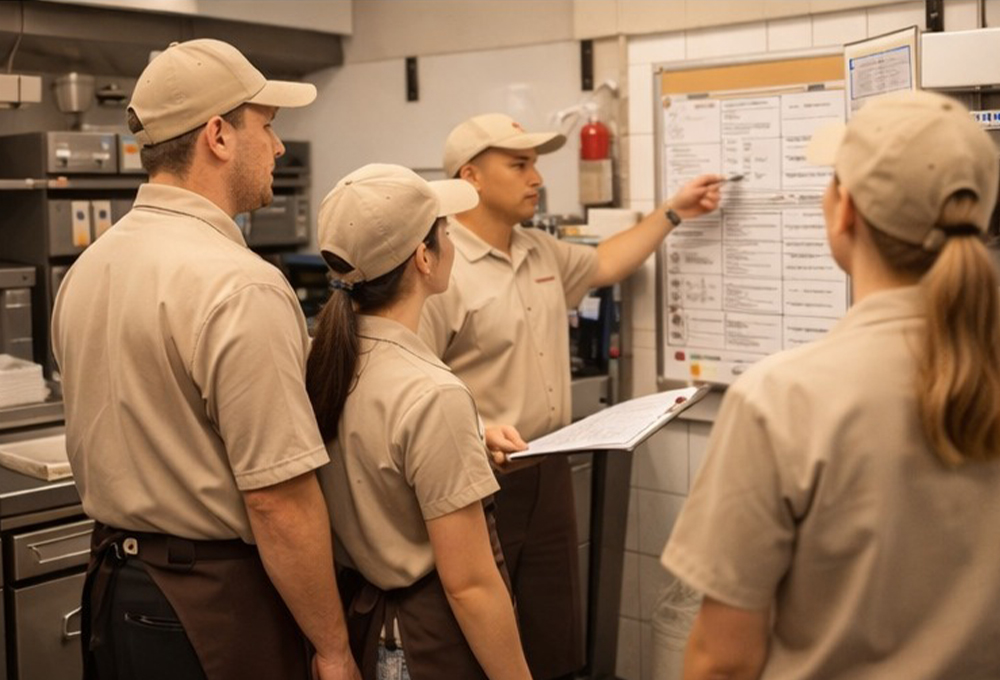
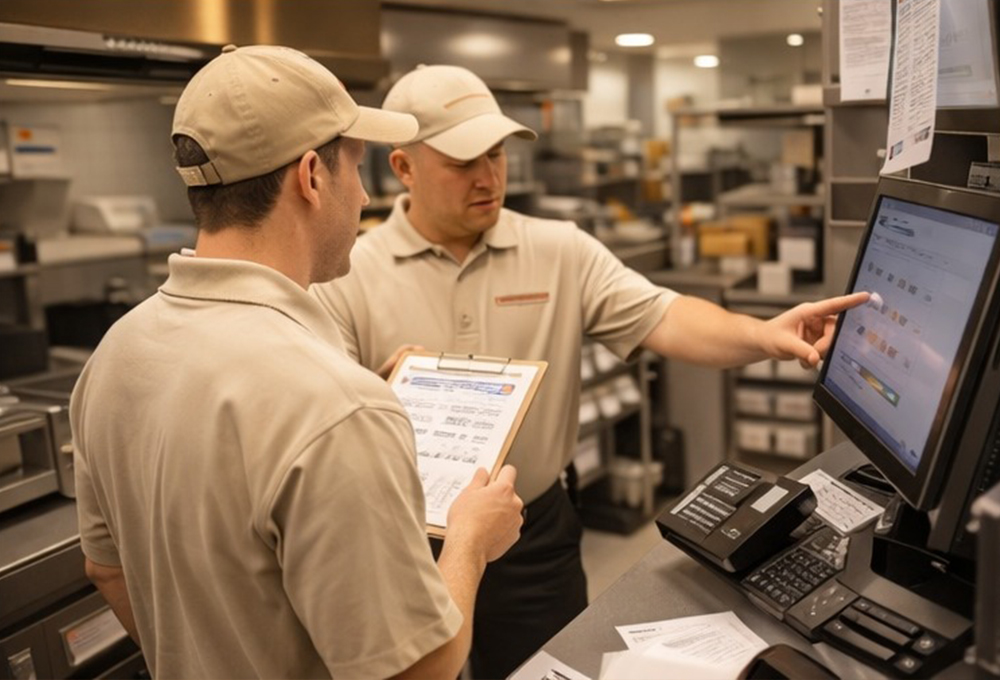
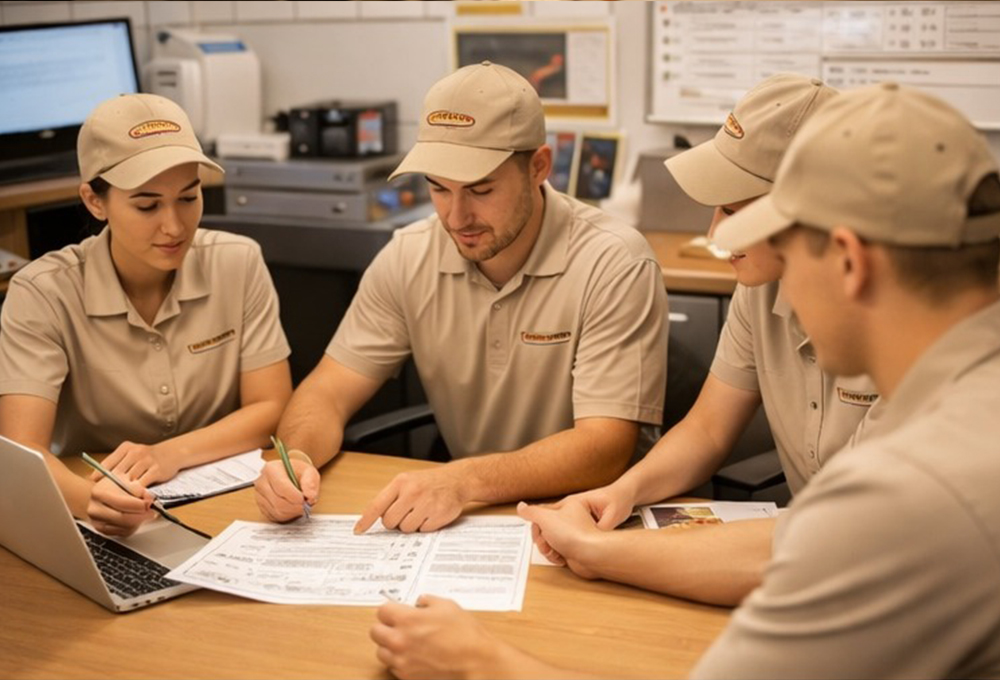
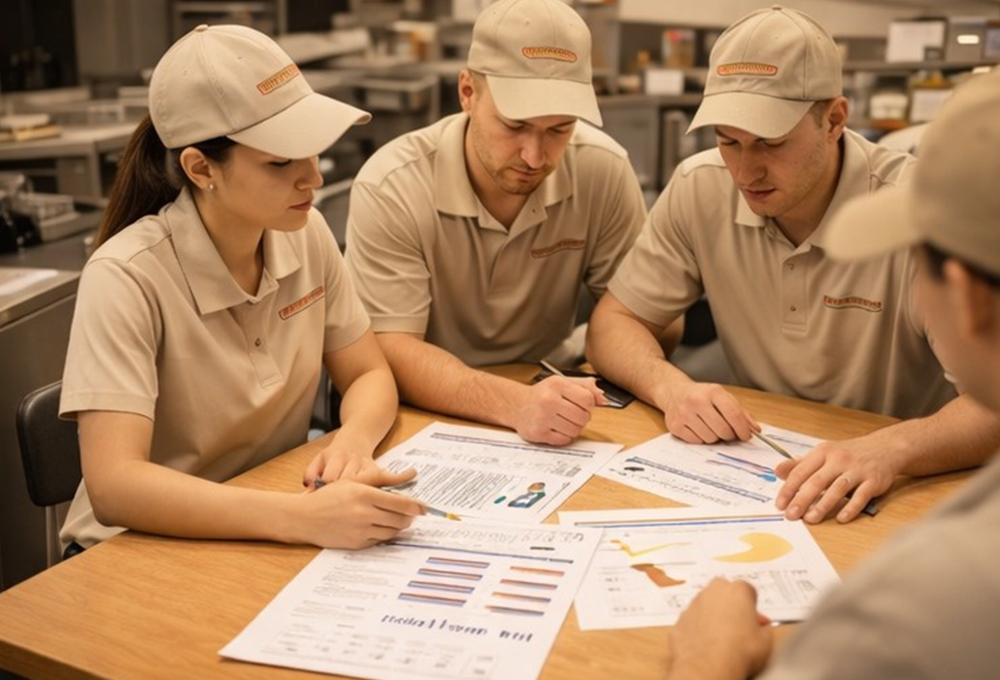
Expert restaurant consultation changes this entire dynamic by introducing clarity, structure, and accountability into the business. Instead of relying on assumptions, consultants analyze real data to understand where money is being lost, how operations can be streamlined, and which decisions are holding the restaurant back. Through detailed audits, consultants identify cost leakages, optimize vendor relationships, improve inventory management, and design systems that allow the restaurant to function smoothly regardless of staff changes. Consultation also brings strategic thinking into menu design, pricing, and positioning, ensuring that every item served contributes meaningfully to profitability. Most importantly, consultants help restaurant owners transition from being trapped in daily operations to becoming leaders who oversee a system-driven business.
The true value of expert consultation lies in sustainability. Restaurants that survive long-term are not those that work the hardest, but those that operate with discipline, foresight, and well-defined processes. Consultation replaces chaos with consistency, guesswork with strategy, and stress with confidence. It allows owners to scale at the right time, avoid costly mistakes, and build businesses that can grow without collapsing under pressure. While many believe that hiring a consultant is expensive, the reality is that running a restaurant without expert guidance often costs far more in hidden losses, missed opportunities, and failed expansions. When structured correctly, a restaurant becomes more than a place that serves food; it becomes a stable, profitable enterprise designed to last.